Farm Personal Property: How to Avoid Coverage Gaps and Costly Surprises
Running a farm means managing farm more than land and livestock. From tractors and irrigations systems to harvested crops and spare parts, farm personal property represents a significant financial investment. Ensuring this property is properly insured - keeping accurate, up-to-date inventory records - can make the difference between a smooth recovery and a devastating setback when disaster strikes.
What Counts as Farm Personal Property?
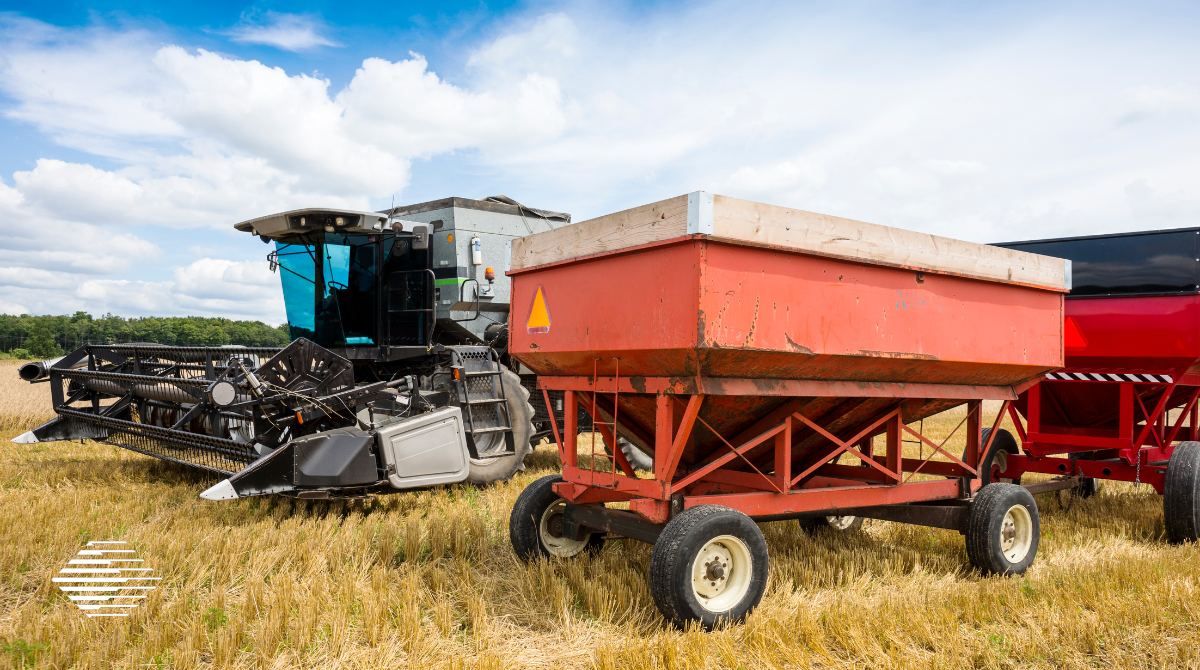
Farm personal property generally includes movable items used in agricultural operations. This can range from machinery and tools to feed, seed, fertilizers, chemicals, harvested crops in storage, and even portable structures. Large equipment from manufacturers like John Deere or Case IH can represent hundreds of thousands of dollars in value. Smaller tools and supplies may seem insignificant individually, but together they can add up quickly.
Unlike farm dwellings or permanent structures, which are often insured under separate coverage, personal property typically falls under a farm property or farm owners policy. However, not all policies are created equal. Coverage limits, exclusions, and valuation methods vary widely. Some policies reimburse actual cash value (depreciated value), while others offer replacement cost coverage. Understanding these distinctions is critical to avoiding unpleasant surprises at claim time.
The Risks of Being Underinsured
Farms face unique risks: fire in equipment sheds, wind or hail damage, theft of high-value machinery, and mechanical breakdown during peak seasons. Without adequate limits, a farmer may discover too late that coverage falls short of the actual replacement cost.
If machinery values have increased due to inflation or supply chain constraints, an outdated policy limit may no longer reflect current market prices. In the event of a total loss, the shortfall would have to be paid out of pocket - often at the worst possible time.
Regularly reviewing policy limits with an insurance professional ensures that coverage keeps pace with rising equipment costs and operations changes. Adding new equipment, expanding acreage, or diversifying into new crops should all trigger a coverage review.
Don't Overlook Rock Ingestion Coverage for Combines
One commonly overlooked exposure is rock ingestion in combines. During harvest, especially in dry conditions or newly rented ground, rocks can be picked up by the header and pulled into the machine. When this happens, damage can be severe - impacting feeder houses, rotors, concaves, sieves, and internal components. Repairs can quickly run into tens of thousands of dollars, and downtime during harvest can compound losses.
Not all farm policies automatically cover this type of damage. Some insurers may categorize it as mechanical breakdown, which is often excluded unless specific endorsements are added. Others may provide limited coverage subject to higher deductibles.
For operators running high-value combines from companies such as New Holland Agriculture or Claas, reviewing policy language is essential. Asking specifically about coverage for foreign object damage - including rock ingestion - can prevent costly surprises during the busiest time of year.
Why Inventory Lists Matter
Even the best insurance policy is only as strong as the documentation supporting a claim. This is where maintaining a detailed and current farm inventory becomes essential.
An accurate inventory list should include:
- Item Description (make, model, serial number)
- Purchase date
- Purchase price
- Estimated current value
- Photos or video documentation
- Storage locations
Digital tools,, farm management software, or event a well-organized spreadsheet can make this process manageable. Storing copies of inventory records off-site or in cloud storage ensures they remain accessible if a fire or natural disaster destroys on-site records.
Up-to-date inventories serve two key purposes. First, they help determine appropriate insurance limits before a loss occurs. Second, they significantly speed up the claims process afterward. When documentation is readily available, adjusters can verify losses quickly, reducing delays in receiving claim payments.
Make Updates a Routine Practice
Inventory management should not be a once-a-year exercise. Farms are dynamic operations. Equipment is bought, sold, traded, or upgraded regularly. Supplies fluctuate with the seasons. Setting a quarterly or semi-annual reminder to review an update inventory records helps ensure nothing is overlooked.
Ultimately, protecting farm personal property is about protecting the livelihood it supports. Adequate insurance coverage - especially for high-risk exposures like rock ingestion - paired with meticulous inventory records creates a financial safety net that allows farmers to focus on what they do best: sustaining productive, resilient operations for generations to come.